We’re not imagining it.
After yesterday‘s press conference:
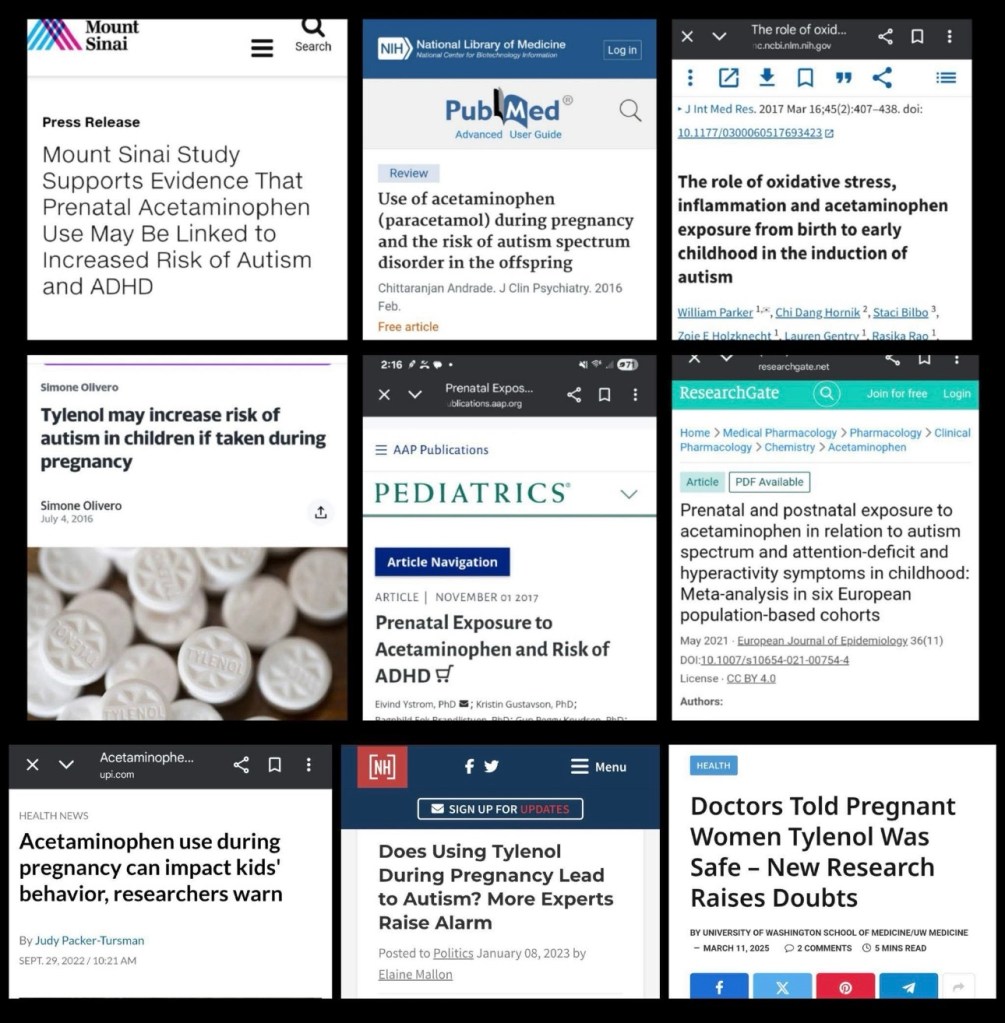
• Tylenol and autism risks are no longer taboo to mention. (just one of many studies here.)
• Leucovorin is being discussed as a treatment that may help some children. For more on that, you can read our post here: Leucovorin in Real Life: Wins, Backfires, and how to make it work better
• Studies without pharma influence are promised, schedules will be revised and all vaccines will be aluminum & mercury free
And there’s growing validation for parents who saw their child regress.
It’s bittersweet for so many of us who have known what we saw for so very long.
There was mention at the conference of knowing for 20 years – which matches many parents lived experiences.
The news feels like a homecoming – and one step at a time, for the first time in EVER, it feels realistic to hope that the world may know what’s happened to so many our kids.
This is not to say all children with autism got it from X, Y, Z, which is such common sense it’s strange to need to mention.
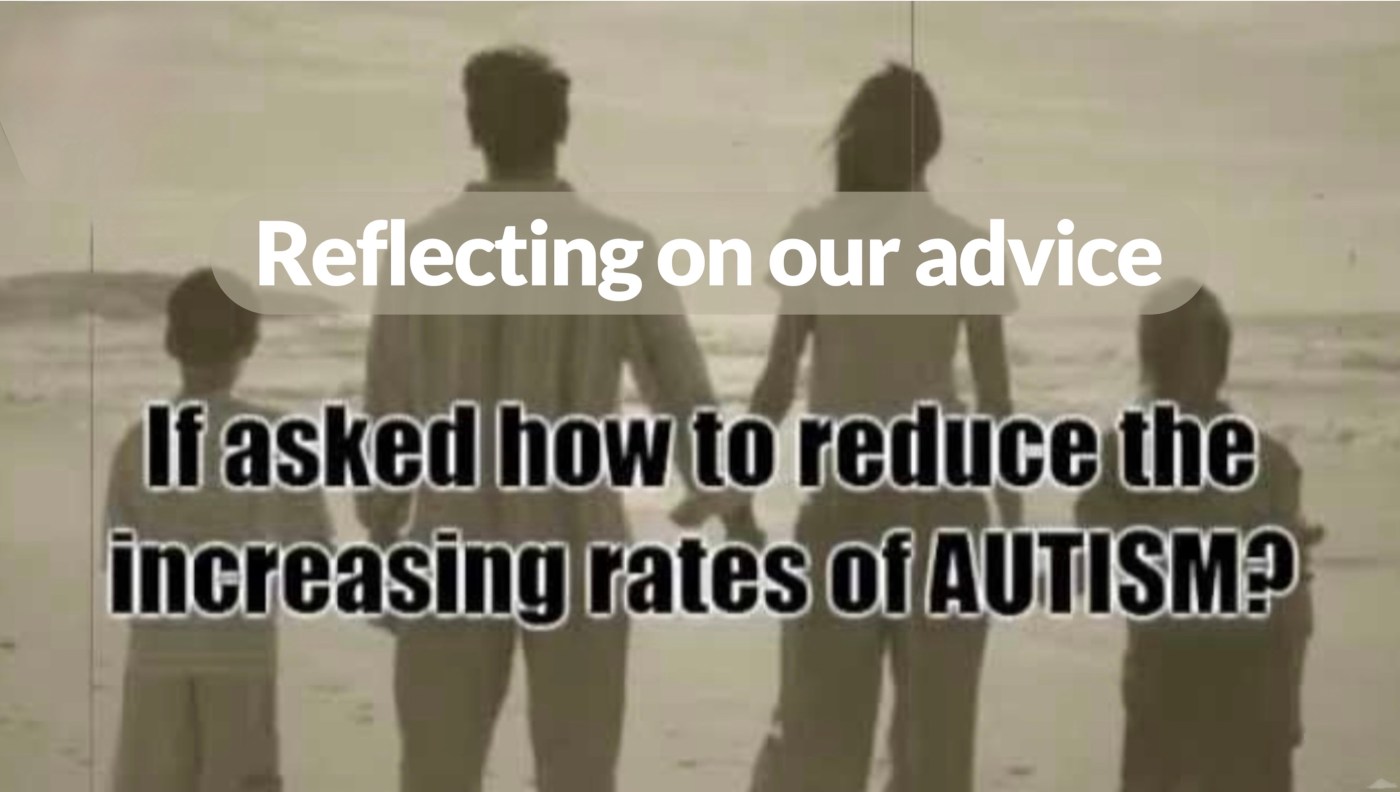
As I watched the news unfold, my mind drifted to the video we made in 2013 to help parents lower risks.
And now, twelve years later, hearing those same core points echoed on a national stage feels surreal and hopeful.
UPDATE: ((This video was deleted by YouTube in Nov 205 🥺 if you’d like to help us try to get it and others back (channel reinstated), please like, comment or repost this post on X: https://x.com/regcaroline/status/1999135981421658577?s=46&t=7t3zxBxTjTJpHUzU_fgLlw 🙏🏻💔))
This video should be “exhibit A” that us parents have indeed been pleading to be heard. I bet the current administration would like to see it if anyone has a connection 🙂
At the time we made it, our group had 1,287 parent members.
We now have 60,000+
With every new member we add, we’re glad they found us, but sad they needed to.
None of us thought we would ever see the day where these topics were discussed on evening news.
Being on the brink of progress, our goal is unchanged: protect future children and help our own kids.
For the Tylenol concerns, this post is for parents to share with anyone who might benefit.
There is healing for our kids, and it will always live here, in our community “Recovering Kids” 15 years on.
Why Tylenol can be a concern during pregnancy and early childhood.
• The core issue is glutathione.
Glutathione is the body’s master antioxidant and detoxifier.
Think of it like the brain’s own security team, clearing toxins, calming inflammation, and protecting cells from damage.
During pregnancy and the first years of life, when the brain grows rapidly, glutathione is essential to keep things running smoothly.
This is the window where protection matters most.
•••
How Tylenol interacts with glutathione
When acetaminophen (Tylenol) is taken, it uses up glutathione.
If Tylenol is used during pregnancy or at a young age or by a sensitive person, their glutathione supply can drop when their brains need it most.
This allows oxidative stress to build and inflammation to build, which makes a tougher environment for critical brain development.
Tylenol not only reduces detox ability via lower glutathione, it is also processed by the liver and has been shown to injure the liver.
If toxin exposure happens while using it:
metals (in any vaccines) pesticides, solvents, mold toxins, food additives, etc…
clearance will be less efficient.
An effective pain relief peptide to explore instead of Tylenol
Many families want something gentle for pain relief.
The Selank peptide has been that for us.
It reliably eases pain like headaches, body aches – including strong menstrual cramps, and also calms within minutes.
We use it sublingually.
It can’t be positioned as a pregnancy remedy due to limited pregnancy‑specific data, but each person can research and decide for themselves.
Find our Selank blog post here: https://recoveringkids.com/selank
Or watch the video:
Selank is most known for calming anxiety, but it absolutely relieves pain, noticeably better than ibuprofen in our experience.
Other biology Tylenol can affect
Beyond glutathione and the liver, several systems tied to neurodevelopment may be affected.
Quick mentions:
- Endocannabinoid signaling
A Tylenol byproduct (AM404) can disrupt how the brain’s “calming connectors” work.
Those connectors help wire social circuits and keep immune responses balanced. - Prostaglandins
Tylenol lowers prostaglandins.
Besides pain and fever, these messengers guide brain growth and synapse formation. - Epigenetics
Animal and cell studies show certain genes changes it causes can harm impair development in vulnerable kids. - Mitochondria
When antioxidants are low, the cell’s energy “engines” tire.
This shows up as low stamina, slower processing, higher sensitivity and meltdowns. - Immune skew and neuroinflammation
With oxidative stress rising and signals shifting, the brain–immune axis can lean inflamed.
That maps to behavior spikes, rigidity, and sensory overwhelm.
Why some children react more than others
Capacity is the difference‑maker.
Slow glutathione recycling or methylation (can be genetics), ongoing gut or immune activation, hormone sensitivity, poor sleep, or nutrient gaps all reduce the buffer.
When the system is already strained, Tylenol can become the tipping factor that lights up oxidative damage, mitochondrial slowdown, and neuroinflammation: the same pathways tied to autism traits.
This explains why timing, dose, and the total load around dosing matter.
Practical prevention during pregnancy and early childhood
Don’t choose Tylenol unless as a last resort. Selank would be preferable if it was my pregnancy.
• Support glutathione creation and methylation gently with folinic acid and B12 forms like hydroxocobalamin or adenosylcobalamin.
• Add NAD+ for steadier mitochondrial energy.
Our blog post about NAD+ is here: https://diaryofrecovery.com/mito
And the NAD+ video is here:
More tips:
• Keep hydration up, bowels regular, and meals simple and organic to lower background load.
These basics give the brain and liver more breathing room.
If your child has autism already
We can’t erase every imprint, but we can repair.
That means cooling inflammation, restoring cellular energy, sealing leaky barriers, and lowering hepatic load so the brain can rewire.
•••
Targets to repair the damage patterns Tylenol can cause
(Clicking on any treatment in bold links you to our post about it)
- Calm neuroinflammation and mast‑cell activation
KPV helps quiet inflammatory cytokines and settle the gut–brain loop, which often reduces reactivity, rigidity, and sensory overwhelm. - Rebuild microvasculature and tissue signaling
TB4‑Frag supports remodeling and healthy blood flow so “signal roads” reopen and learning lands again. Pairing TB4‑Frag with CogniPep often feels like hyperbaric in a bottle for us—repair plus delivery working together. - Restore cognitive networks and plasticity
CogniPep supports blood flow, connectivity, and BDNF for language, processing speed, focus, and emotional regulation. It’s been standout for autism in our community. - Restore mitochondrial energy
NAD+ lifts cellular ATP so kids have stamina for therapy, play, language, and recovery after illness. - Re‑balance methylation and glutathione creation
Folinic acid with gentle B12 forms helps restore detox chemistry without overstimulation. - Lower background toxin load via organs
Bioregulator peptides for liver and kidney together help the body clear what it can while you keep inputs clean. - Seal the barrier to stop constant retriggers
Larazotide can help tighten junctions so irritants don’t keep reigniting the brain–immune loop.
To learn more about these options, you can also see this post:
7 Breakthrough Peptides for Autism, adhd and more!
(with practical dosing and purchasing info)
Or watch the video:
What progress often looks like
As inflammation cools and energy rises, we tend to see steadier sleep, more flexible behavior, clearer language, and more durable learning.
Watching the press conference and reliving our children’s injuries can feel heavy.
We shouldn’t have to do any of this.
Our kids should be enjoyjng their childhoods like we dreamed they would be.
But we can’t lose hope and you’re not alone.
We can move in small steps and in time, kids heal, become calmer and more like themselves again.
Repair peptides have been a lifeline for many, seeing gains they hadn’t in years.
They’ve ignited some of the excitement that was beginning to disappear for many of us.
And Selank gives relief & breathing room when pain or panic overwhelm.
We have some good options again!
Progress isn’t always exactly as we expected it, but it is possible.
Together, we’ve got this. 🤍
For more hope, you can see our post from yesterday:
Suramin Without Suramin: Calming the Cell Danger Response in Autism

Discover more from RECOVERING KIDS
Subscribe to get the latest posts sent to your email.
 Kelly Steffens
 Ashley Thurman
 rebecca ferguson
 RK Administration
 RECOVERING KIDS